
The Kogelberg Biosphere: UNESCO Status and the Vital Role of Betty’s Bay Conservation
Protecting our natural heritage, strengthening our community, and safeguarding the future of the Cape Floral Kingdom.
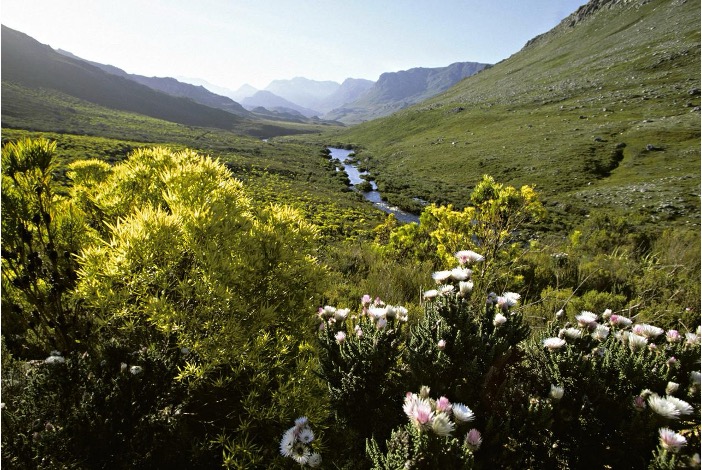
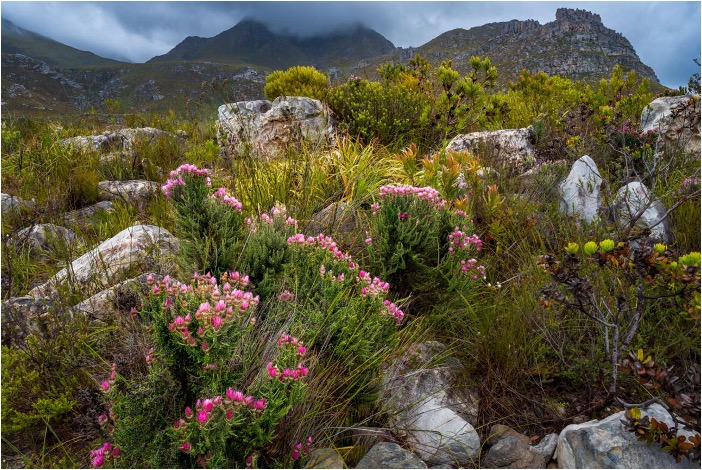
- A global conservation treasure on our doorstep
Betty’s Bay lies within the extraordinary natural landscape of the Kogelberg Biosphere Reserve, one of South Africa’s most significant conservation areas. Here, the mountains, fynbos-covered slopes, wetlands, rivers, coastal habitats and ocean form an interconnected ecological system of exceptional importance.
The Kogelberg is renowned for its extraordinary plant diversity and its contribution to the Cape Floral Kingdom, recognised internationally as one of the world’s richest centres of plant biodiversity. This natural heritage is not only a source of local pride; it is part of a global conservation legacy that we have a responsibility to protect.
For the Betty’s Bay community, the biosphere designation is more than an international accolade. It is a reminder that our decisions about development, public spaces, water, waste, vegetation and wildlife all contribute to the long-term health of the environment in which we live.
- What is the current UNESCO status of the Kogelberg Biosphere?

International recognition since 1998
UNESCO Biosphere Reserve
The Kogelberg Biosphere Reserve was designated in 1998 under UNESCO’s Man and the Biosphere (MAB) Programme, becoming South Africa’s first internationally recognised biosphere reserve. Official sources continue to list it as a biosphere reserve.
Man and the Biosphere Programme (MAB)
+1
The reserve encompasses approximately 103,629 hectares of terrestrial and marine landscapes, including mountain catchments, coastal fynbos, wetlands, rivers, estuaries and marine habitats. UNESCO’s profile identifies approximately 1,600 plant species in the area, with an estimated 150 taxa endemic to the region.
Man and the Biosphere Programme (MAB)
+1
What does this status mean today?
UNESCO biosphere reserves are recognised as places where biodiversity conservation, sustainable development, research and community participation must work together. They are not simply areas where human activity is prohibited. Rather, they demonstrate how communities can live and work alongside nature while safeguarding ecological integrity.
UNESCO requires biosphere reserves to undergo a periodic review every ten years, assessing their management, zoning, conservation outcomes and community involvement.
UNESCO
An important status clarification: As at October 2026, the official sources consulted confirm the Kogelberg’s UNESCO designation, but we could not verify the outcome or completion date of its most recent ten-year periodic review. It would therefore be premature to claim that a current review has been formally completed or approved without confirmation from UNESCO or the reserve’s management company.
It is also worth distinguishing the UNESCO Biosphere Reserve from the Cape Floral Region Protected Areas World Heritage Site. These are separate international conservation designations, although their geographic areas and conservation objectives are related.
- Why Betty’s Bay matters so much
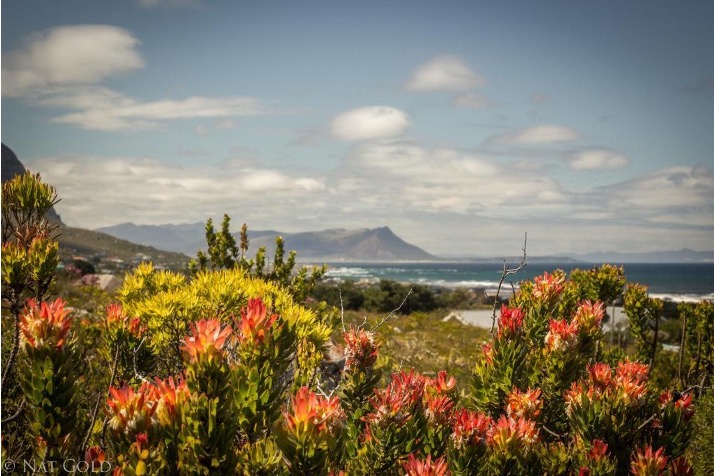
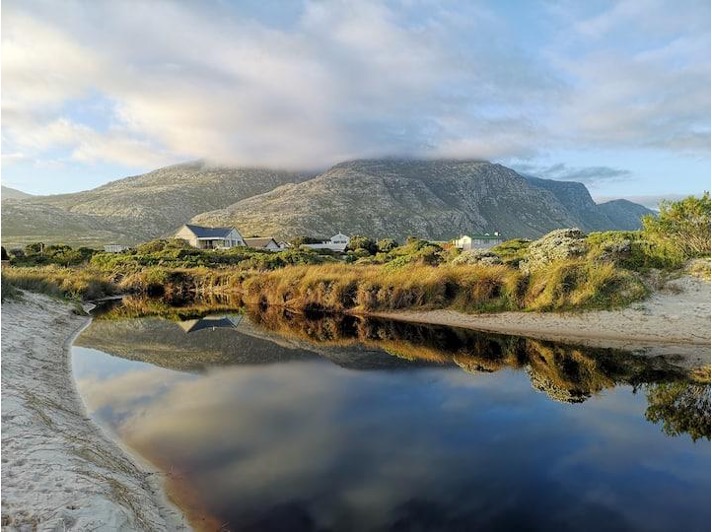
Betty’s Bay is far more than a picturesque coastal village. It is part of a living ecological network in which even relatively small conservation actions can have wider benefits.
Our local environment includes:
- Indigenous fynbos: Home to unique plant communities, including rare and threatened vegetation types that cannot simply be recreated if destroyed.
- Wetlands, lakes and waterways: Important for water storage, ecological processes, birdlife and other wildlife. Changes to vegetation, water quality and flow can affect the wider landscape.
- Coastal and marine habitats: Supporting marine biodiversity and sensitive wildlife, including the African penguin colony at Stony Point.
- Wildlife corridors and natural open spaces: Helping animals move through the landscape and allowing indigenous plants to regenerate.
- The human environment: Roads, homes, gardens, tourism facilities and public spaces all form part of the interface between people and nature.
These natural assets are connected. Damage to a wetland, the spread of invasive alien plants, poorly planned development or careless disposal of waste can have consequences that extend beyond one property or one neighbourhood.
This is why conservation in Betty’s Bay should be viewed not as an isolated environmental activity, but as an essential contribution to the health and resilience of the entire Kogelberg Biosphere.
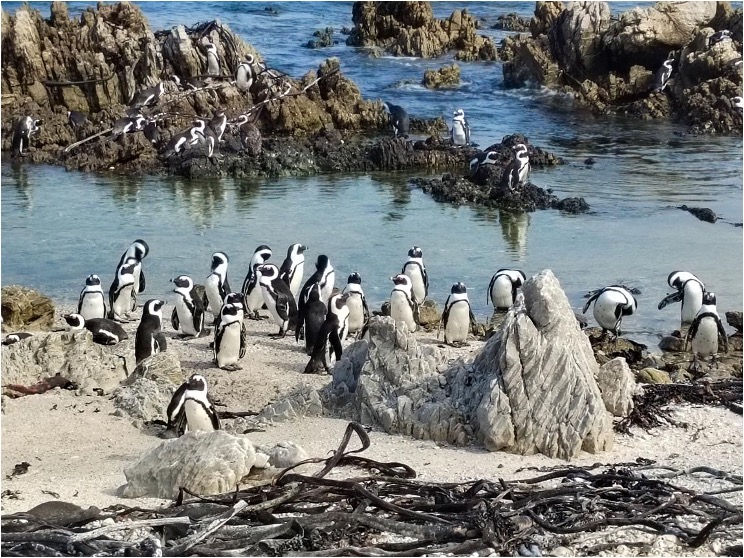
- The influence of Betty’s Bay conservation efforts
One of the most encouraging aspects of conservation in our area is the contribution made by residents, volunteers, local organisations and conservation partners. Their work demonstrates how community participation can translate international conservation principles into practical results.
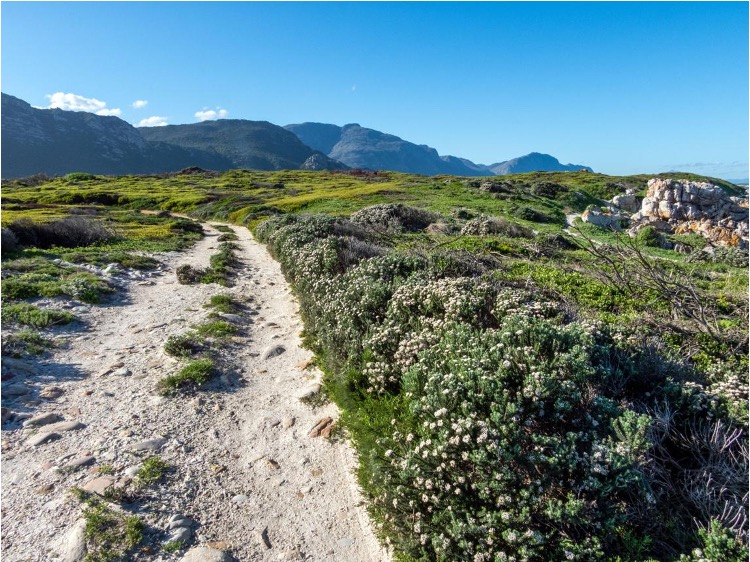
Restoring indigenous fynbos
The Kogelberg Biosphere reported in October 2023 that its alien-clearing teams had removed invasive Rooikrans and Australian Myrtle from more than 115 hectares in the Betty’s Bay area. The work focused on Hangklip Sandstone Fynbos, a critically endangered vegetation type. This is a significant example of local action supporting the restoration of threatened biodiversity.
This is still ongoing and our local volunteers & community continuously and regularly participates in clearing invasive species.
Community stewardship and clean-ups
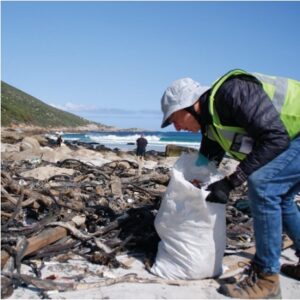
The Betty’s Bay local volunteers & community has provided various platforms for residents to become involved in conservation. Activities include community clean-ups, coastal clean-up initiatives and opportunities to learn more about the local environment.
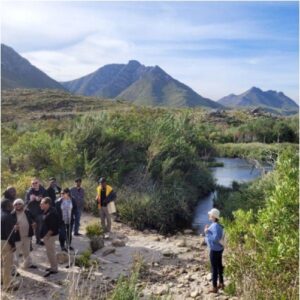
Wetland awareness and environmental education
Wetland walks and community education help residents understand the importance of water systems, indigenous vegetation and wildlife. These activities encourage informed decisions about gardens, properties, public spaces and development within a sensitive ecological landscape. The local conservancy and biosphere organisations provide resources to support this work.
Protecting water resources and reducing fire risk
Removing invasive alien plants helps reduce competition for water, supports indigenous vegetation and can limit the build-up of highly flammable invasive biomass. The Kogelberg Biosphere has specifically highlighted alien clearing in catchments, wetlands and estuaries as a community conservation priority.
What difference do these efforts make?
The value of local conservation is felt well beyond the immediate site of a project.
- Biodiversity: Protecting native vegetation helps preserve rare plant species and the animals that depend on them.
- Water security: Healthy catchments and reduced invasive plant cover can support water availability and the functioning of rivers and wetlands.
- Climate and fire resilience: Healthy ecosystems and responsible land management can help reduce certain environmental risks, although they cannot eliminate natural fire hazards.
- Tourism and local livelihoods: A well-maintained natural environment supports nature-based tourism, environmental education and the attractiveness of the region.
- Community identity: Conservation encourages residents to take shared responsibility for the distinctive landscape that makes Betty’s Bay special.
These benefits are strongest when individual projects form part of a coordinated, long-term approach, supported by monitoring and cooperation between residents, conservation bodies and government.
- The challenges we must continue to address
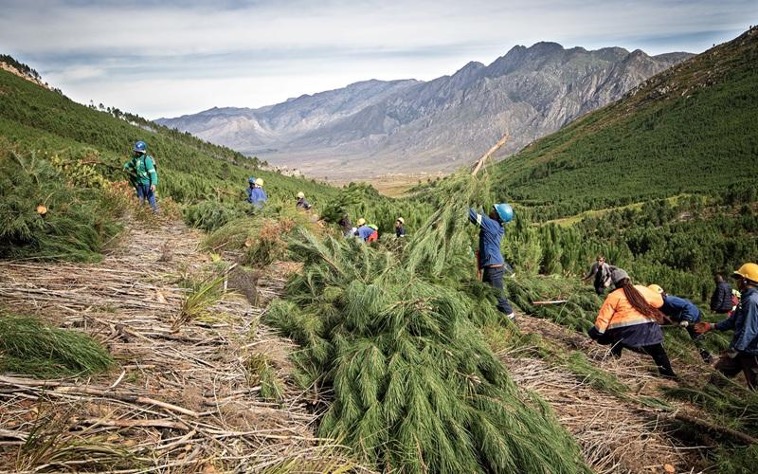
Despite important achievements, the Kogelberg Biosphere faces ongoing pressures. In its November 2025 conservation article, the Kogelberg Biosphere highlighted invasive alien plants, development pressures and the need for stronger cooperation among stakeholders.
For Betty’s Bay, several priorities deserve continued attention.
Invasive alien vegetation
Support responsible clearing, follow-up treatment and restoration with indigenous species. Clearing without ongoing management can allow invasive plants to return.
Wetlands, lakes and waterways
Protect natural water flow, prevent pollution and avoid inappropriate disturbance of wetland vegetation. Reed management should be based on ecological assessment rather than assuming that all reeds are harmful.
Responsible development and land use
Respect applicable land-use planning, environmental authorisations and conservation requirements. Retaining indigenous vegetation and natural open spaces should be considered early in planning, not as an afterthought.
Clean public spaces and responsible recreation
Maintain beaches, walkways and public amenities while limiting litter, disturbance of wildlife, off-path damage and other avoidable impacts on sensitive habitats.
Community participation
Encourage residents, property owners, businesses, schools and visitors to contribute to conservation initiatives and support organisations working to protect the biosphere.
- What can we, as Betty’s Bay residents, do?
The future of the biosphere does not rest solely with conservation professionals or government. Each household and community organisation can make a meaningful contribution.
- Become involved. Participate in local conservancy activities, environmental clean-ups, alien-clearing projects and awareness events.
- Garden responsibly. Choose indigenous plants suited to the local environment and prevent invasive species from spreading beyond property boundaries.
- Protect water systems. Avoid dumping garden waste, chemicals or litter near lakes, wetlands, streams and drainage channels.
- Respect wildlife. Keep a safe distance from animals, observe wildlife responsibly and avoid unnecessary disturbance of breeding or resting sites.
- Support thoughtful development. Encourage planning that considers ecological sensitivity, indigenous vegetation, drainage, fire management and the cumulative effects of development.
- Share knowledge. Help neighbours, children and visitors understand why this landscape requires special care.
- Support local conservation organisations. Membership, donations, volunteer time and practical assistance can help turn good intentions into sustained action.
- Looking ahead: a shared responsibility
UNESCO recognition is an important achievement, but its greatest value lies in what we do with it. A biosphere reserve can only fulfil its purpose when conservation is reflected in everyday decisions, effective management, environmental education and sustainable development.
Betty’s Bay has an opportunity to demonstrate what this means in practice: a community that protects its wetlands, restores its fynbos, respects its wildlife, cares for public spaces and ensures that future development is compatible with the natural systems on which the area depends.
Our conservation efforts are not separate from the future of the Kogelberg Biosphere. They are part of that future.
The work of volunteers, local conservation organisations, landowners and environmental partners deserves recognition and continued support. Equally, we must acknowledge that conservation is ongoing. Past achievements cannot guarantee future protection, and every generation inherits the responsibility to continue the work.
The question we should ask ourselves is simple: what natural heritage will we leave for those who come after us?
If we want future generations to experience the same remarkable fynbos, clean waterways, diverse wildlife and beautiful coastline that make Betty’s Bay so special, we must protect these treasures together — through informed choices, consistent action and a shared commitment to living in harmony with nature.
Betty’s Bay is not merely a place within the Kogelberg Biosphere. It is a community with an opportunity to help shape its future.
Elsa Stofberg