
A brief recap from the last newsletter:
There was an application for South African perlemoen (in its dry form) to be reclassified to CITES Appendix 11 at the COP 30 meeting in Brazil
CITES is: The Convention on International Trade in Endangered Species of Wild Fauna and Flora
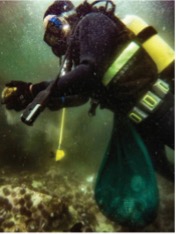
Our perlemoen (Haliotis midae) is endemic to South Africa. Its wild population has been severely affected by illegal fishing, driven by well-connected organized crime syndicates.
- The illegally poached perlemoen are exported in a dried form and it is for this that a CITES Appendix 11 reclassification is being sought.
- Almost all (90%) of the exported perlemoen goes to Hong Kong Special Administrative Region of China, with 98% of the dried perlemoen being air-freighted there.
The significance of achieving a re-classification for dried perlemoen to CITES 11 is that trade in the product will be subject to permits and documentation, which specify product source. As the Hong Kong authorities strongly enforce these regulations, it is hoped that reclassification will help to reduce the illegal trade of this threatened species.
What happened at the COP 30 meeting in Brazil?

A well-documented proposal, following wide public consultation, to uplist the dried form of perlemoen to a CITES Appendix 11 listing was due to have been proposed at the CITES COP meeting being held in Uzbekistan. The proposal was supported by a large and costly South African delegation, which included the DFFE Deputy Minister Narend Signh. This delegation, at the last minute, withdrew the plan without offering a public explanation. Bafflingly, Thobile Zulu-Molobi, spokesperson for the DFFE has stated that the reasons for the withdrawal will be given once there is more clarity on certain issues!
It is widely believed that a major reason for the withdrawal is due to the appointment of a new Minister of Forestry, Fisheries and the Environment, Willie Aucamp. The previous Minister Dion George was a strong supporter of the proposal and he has publicly stated that he believes he was fired because of his stand against illicit wildlife trafficking. The withdrawal of the proposal took place less than two weeks after his abrupt removal.
 The chair of the Abalone Farmers Association of South Africa, John Heckroodt, has welcomed the withdrawal of the CITES proposal. He maintains that if one form of abalone (in dried form) is controlled it will affect the sale of the other legal forms (fresh and tinned stock) as buyers will believe all forms are now controlled! It seems commercial considerations are more important than long-term species sustainability! https://southafricanabalone.co.za/
Analysis released by TRAFFIC, a global network working to ensure trade in wild animals and plants is legal and sustainable, estimates 67% of abalone exported from South Africa since 2000 was illegally harvested. An estimated 4000 metric tons were poached in 2024. TRAFFIC stressed that any CITES listing would complement internal steps to tackle the illegal trade as regulations requiring full traceability for every abalone consignment leaving the country would be required.
This story is ongoing but does not reflect well for the wild perlemoen populations which are being decimated by illegal poaching. It is likely that the species may collapse in heavily poached areas, especially considering they undergo ‘broadcast spawning’, where gametes are released synchronously, en masse. This process requires a sufficiently high density of perlemoen to ensure that egg and sperm are able to unite once cast into the water column.
Tony Bush and Pete Oxford